

Lockpicking has grown into a fascinating and rewarding hobby for people who enjoy puzzles, mechanical systems, and hands-on learning. Whether you’re curious about how locks work or simply want to develop a unique skill, learning lockpicking can be an engaging new hobby that sharpens problem-solving abilities and mechanical understanding.
However, one of the most common mistakes beginners make is practicing on the wrong locks. Many first-time hobbyists attempt to learn to pick locks on random household locks, which can be frustrating and discouraging. The best approach is to start with practice locks specifically designed for learning, followed by beginner-friendly real locks that help build technique and confidence.

In this guide, we’ll explore the best practice locks for beginner lockpicking hobbyists, what makes a lock suitable for training, and how to progress from basic learning tools to real locks. We’ll also cover how the right lockpick sets for beginners and proper training locks can make the learning curve much smoother.
If you’re starting your lockpicking journey, choosing the right tools and locks will dramatically improve your success and enjoyment.
What Are Practice Locks?
Practice locks are training locks specifically designed to help people learn the mechanics of lockpicking. Unlike standard locks used for security, these locks allow hobbyists to observe how internal components move while they manipulate the lock with picks.
When people first attempt lockpicking, they are essentially learning how to manipulate small pins inside a lock cylinder using tension and specialized tools. Without understanding what is happening inside the lock, it can feel like guesswork.
Practice locks solve this problem by providing visual feedback.
Common types of practice locks include:
1. Clear Training Locks
These locks are made from transparent acrylic, allowing you to see how pins lift and set when picking.
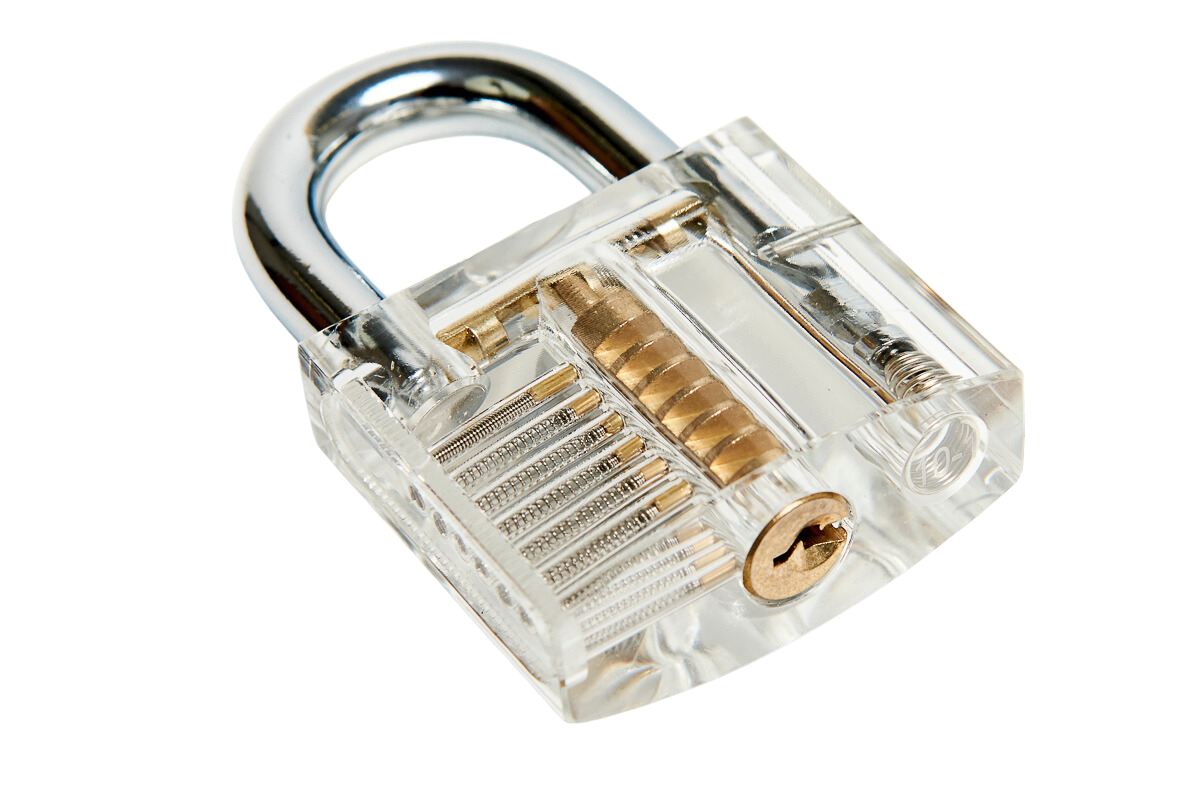
Benefits:
- Visual learning
- Immediate feedback
- Great for absolute beginners
2. Cutaway Locks
Cutaway locks are real metal locks with a section removed so you can see inside.
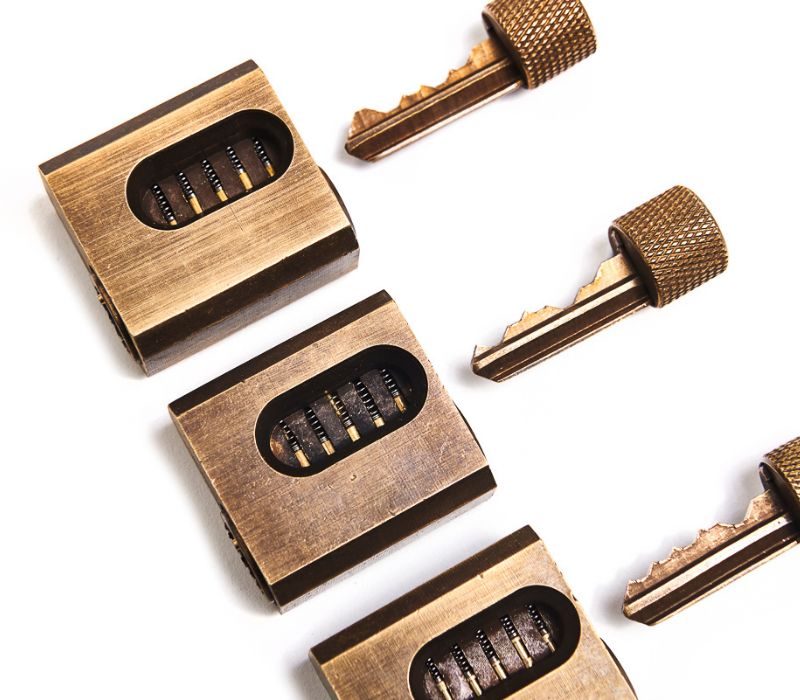
Benefits:
- Realistic lock feel
- Stronger and more durable
- Shows internal mechanisms clearly
3. Progressive Training Locks
These locks are designed to gradually increase difficulty by adding more pins.
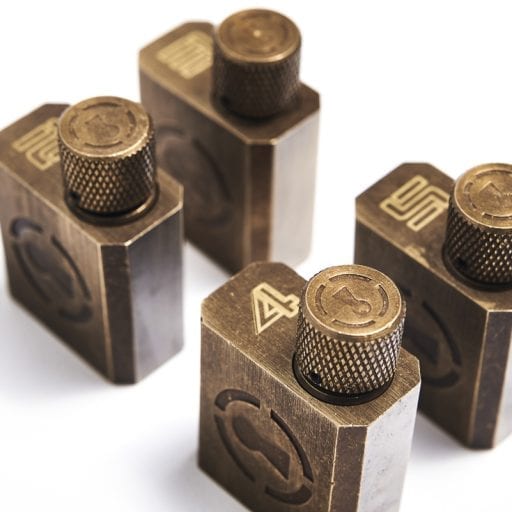
Benefits:
- Step-by-step skill building
- Structured learning
- Builds confidence
These training tools are often paired with lockpick sets for beginners so hobbyists can practice techniques such as single-pin picking or raking.
If you’re starting out, a combination of beginner picks and structured training locks will help you learn to pick locks far faster than experimenting randomly.
You can explore beginner-friendly tools and training locks in the PickPals collection here. For most hobbyists starting a new hobby, it’s best to begin with clear locks and then move into progressive locks as skills improve.
How to Start Lockpicking: Beginner Checklist
If you’re interested in lockpicking, the key is to approach it methodically rather than jumping straight into difficult locks.
Here’s a simple step-by-step guide to getting started.
Step 1: Get the Right Lockpick Set
Using quality lockpick sets for beginners makes a significant difference. A good beginner set typically includes:
- Hook picks
- Rake picks
- Tension wrenches
- Practice instructions
These tools allow you to experiment with the two most common beginner techniques:
- Raking (fast entry method)
- Single Pin Picking (SPP)
Starting with a beginner-friendly kit prevents frustration and helps build foundational skills.
Step 2: Start with Clear Practice Locks
Clear practice locks are ideal when learning how pin tumbler locks function.
When you apply tension and lift pins, you can actually see:
- Pins binding
- Pins setting
- The shear line opening
This visual feedback accelerates learning dramatically when you’re trying to learn to pick locks for the first time.
Step 3: Move to Progressive Training Locks
Once you understand the mechanics, move on to progressive locks.
These usually start with:
- 2-pin locks
- 3-pin locks
- 4-pin locks
- 5-pin locks
Each step introduces additional complexity while reinforcing proper technique.
Progressive locks are one of the best investments for people pursuing lockpicking as a new hobby.
Step 4: Practice Single Pin Picking
Single pin picking is considered the most valuable skill in lockpicking.
The technique involves:
- Applying light tension to the lock
- Lifting each pin individually
- Identifying the binding pin
- Setting pins one by one
This method teaches precision and control.
Step 5: Practice Consistently
Lockpicking is a tactile skill, meaning improvement comes from repetition.
Tips for beginners:
- Practice 10–15 minutes a day
- Avoid excessive tension
- Learn to feel feedback from pins
- Rotate between different practice locks
Within a few weeks, most hobbyists can successfully pick beginner locks.
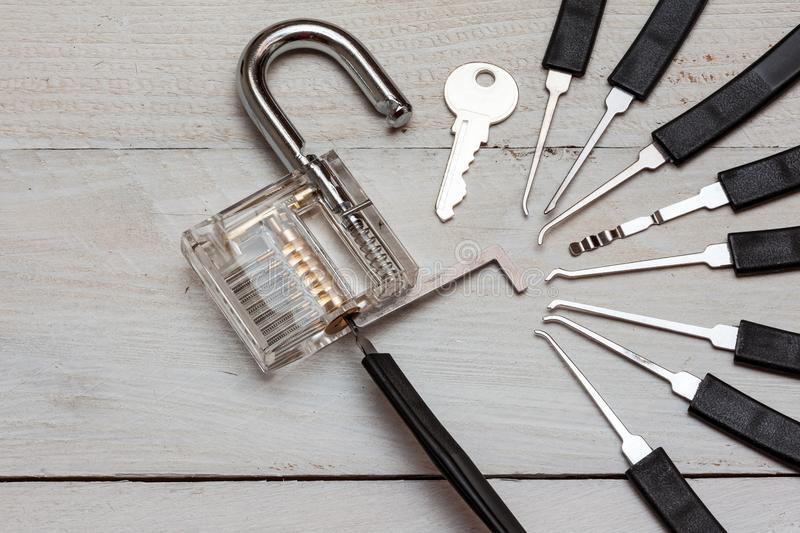
Starting lockpicking as a hobby can be incredibly rewarding. It combines mechanical understanding, patience, and problem-solving into a hands-on challenge that many people find addictive in the best possible way.
The key to success is starting with the right tools and training locks. By using beginner-friendly practice locks, structured progressive locks, and quality lockpick sets for beginners, you can dramatically shorten the learning curve and avoid common frustrations. If you’re ready to start your new hobby, the next step is choosing the right beginner equipment and practicing regularly. With the right approach, you’ll quickly develop the skills needed to learn to pick locks and progress to more challenging locks.
Explore beginner gear here:
With patience and practice, you’ll soon discover why lockpicking is one of the most satisfying mechanical hobbies around.



